
Portrait of Dimitria Freitas

Dimitria Freitas

2026–27 Economics Job Market Candidate

PhD Candidate in Economics, TU Dresden

Researcher at Thuenen Institute and Humboldt Berlin

Expected PhD: March 2027

Labor Economics · Public Economics · Urban Economics · Political Economy

In my dissertation, I study how place-based policies and public-sector activity shape local labor markets, spatial equilibrium, and political behavior.

Beyond my dissertation, I also study zoning and housing affordability and questions of tax incidence and pass-through. My methodological interests include causal inference, quantitative spatial models, and Bayesian machine learning.

References: Alexander Kemnitz (TU Dresden) · Gabriel Ahlfeldt (Humboldt) · Jan Bakker (Bocconi) · Jordi Jofre Monseny (IEB Barcelona)

Job Market Paper

The Effect of Public Sector Relocations on Regional Development in Germany

PDF · Please check for regular updates

Society of Labor Economists Poster Prize at the 6th World Labor Conference in Toronto

Evaluates a large Bavarian public-agency relocation program from metropolitan to rural areas in Germany using linked administrative employer–employee data to estimate effects on private sector employment in both areas receiving and losing public jobs, and quantifying the welfare effects of the policy in a quantitative spatial equilibrium model.

Publications

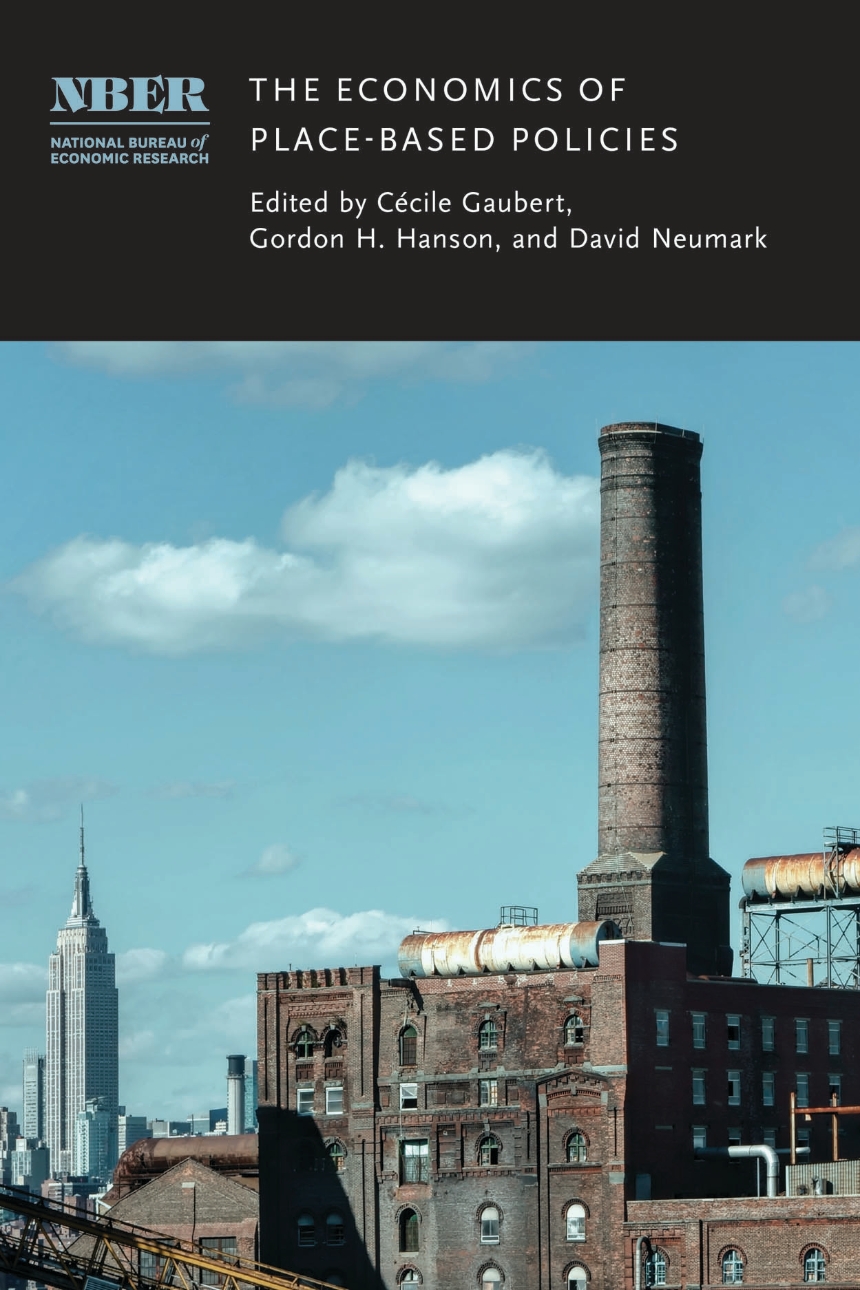
Cover of The Economics of Place-Based Policies

Book chapter · 2026

The Potential of Public Employment Reallocation as a Place-Based Policy

In The Economics of Place-Based Policies, ed. Cécile Gaubert, Gordon H. Hanson, and David Neumark. Chicago: University of Chicago Press, 2026.

Reviews international evidence on capital-city relocations and public-agency decentralization. Moving government jobs can generate employment and population gains in receiving places, with effects shaped by the scale, skill mix, and permanence of the relocation; the chapter also examines consequences for the regions that lose public employment.
Work in Progress

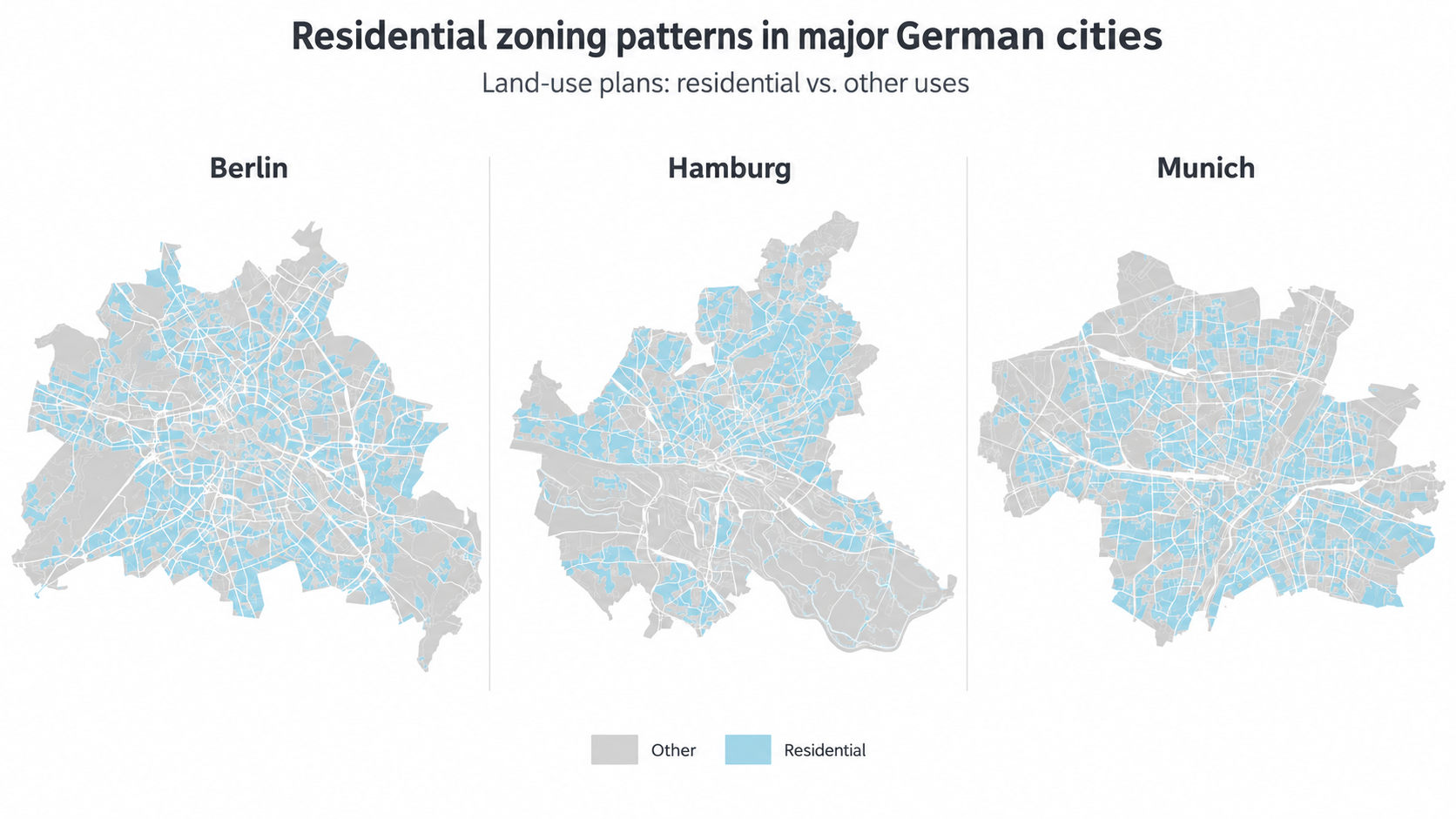
Residential zoning patterns in Berlin, Hamburg, and Munich

Work in progress

The Growth–Affordability Trade-off in Zoning

With Gabriel Ahlfeldt, Jan Bakker, and Nina Gläser

Combines matched employer–employee data with an original postcode-level zoning dataset covering all of Germany to discipline a spatial general-equilibrium model of how land-use regulation trades off housing affordability against agglomeration, productivity, welfare, and inequality.

Policy Paper

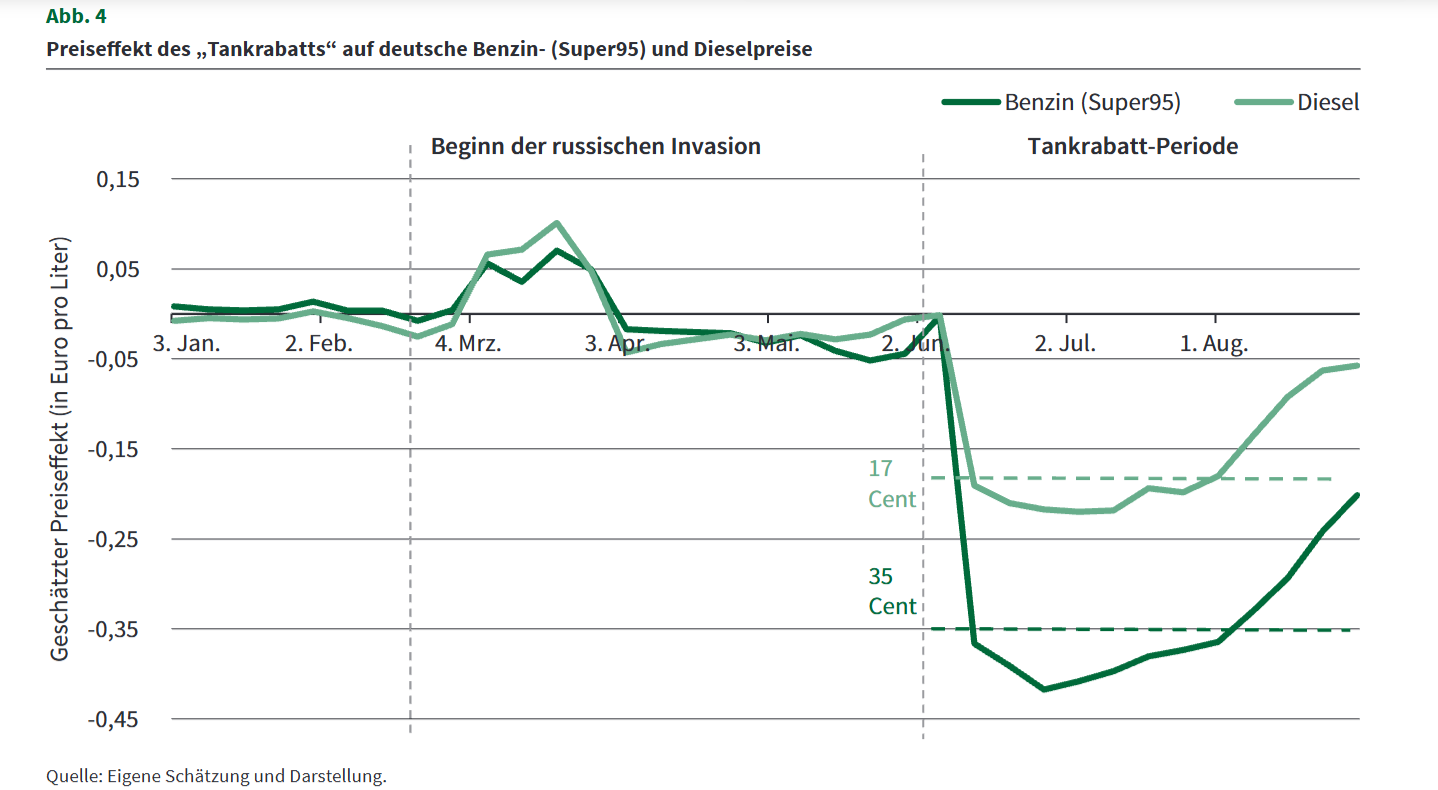
Estimated effects of Germany’s temporary fuel-tax cut on gasoline and diesel prices

Policy paper

35 cents less for gasoline and 17 cents less for diesel — The fuel tax reduction was passed on to consumers — on average

With S. Syga · ifo Dresden berichtet 29 (2022), 13–18

Uses Germany’s 2022 temporary fuel-tax cut and comparable European reforms to estimate pass-through at the pump, showing that tax relief reached consumers but with heterogeneous dynamics across countries and over time.

Coverage: German Federal Antitrust Agency (Bundeskartellamt) · Monopolies Commission of the German Bundestag · DNN

Working Papers

Working paper

Do place-based policies matter at the poll?

With Luisa Doerr and Florian Dorn

Exploits quasi-experimental variation from Bavaria’s rule-based public-agency relocations to estimate whether place-based economic policy changes voting behavior, providing evidence that targeted regional policy can translate into electoral responses.

Working paper

The Drivers of Far-Right Populism in Western Democracies

With Patrick Zwerschke

Rather than testing one favored explanation, compares more than 26 economic, cultural, and institutional drivers across more than 30 Western democracies using Bayesian Model Averaging and Bayesian Additive Regression Trees to identify robust and nonlinear relationships.